
The organizations doing the most against youth hunger in Canada tackle it from different angles: school meal programs, weekend food for kids, large-scale food rescue, and restaurant-based giving. That range matters, because nearly 2.5 million Canadian children, roughly one in three, live in food-insecure households. This page profiles the most impactful groups, comparing what each one does and its current scale so you can decide where your support goes furthest.
Breakfast Club of Canada
The Breakfast Club of Canada is the country’s largest school food provider, reaching more than 880,000 children through nearly 4,900 school nutrition programs (2025). Founded in 1994, it serves nutritious breakfasts to children in all ten provinces and three territories. By providing a consistent morning meal, the Breakfast Club of Canada aims to support student success, both in and out of the classroom. Beyond the food itself, it also creates welcoming spaces that encourage regular attendance and a sense of belonging among students.

Key Impact
- Reaches more than 880,000 children (2025)
- Supports nearly 4,900 school nutrition programs nationwide
- Operates in all ten provinces and three territories
Second Harvest
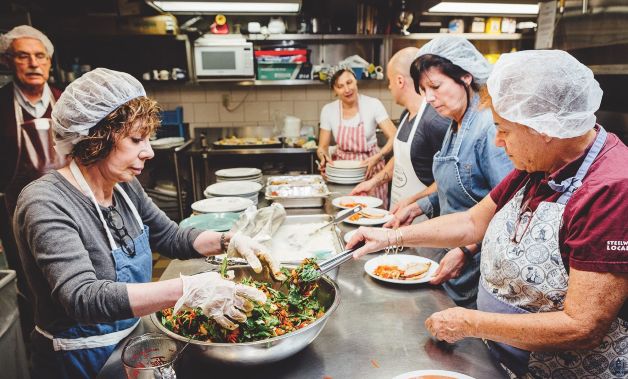
Second Harvest, founded in 1985, is Canada’s largest food rescue charity. They recover surplus food from businesses across the supply chain, including farmers, manufacturers, distributors, and retailers. By diverting this edible food from landfills, Second Harvest not only reduces waste but also ensures that nutritious meals reach those who need them most.
In 2025, Second Harvest and its partners rescued and redistributed 95.3 million pounds of food, working with more than 5,000 non-profit organizations, including school programs, to reach communities across the country. Their efforts have a twofold impact: reducing environmental harm caused by food waste and alleviating hunger among vulnerable populations.
Key Initiatives
- Feeding Our Future: Provides meals to children during the summer months
- Food rescue and redistribution across the supply chain
- Partnerships with social service organizations and school programs
SHARE Family & Community Services
SHARE Family & Community Services is a non-profit organization dedicated to supporting individuals and families in need throughout the Tri-Cities area of Coquitlam, Port Coquitlam, Port Moody, Anmore, and Belcarra in British Columbia. Established in 1972, SHARE offers a range of programs designed to address various aspects of community well-being, with a strong focus on food security.
They operate a food bank that provides emergency access to nutritious meals and groceries for those facing financial hardship. Additionally, SHARE runs targeted initiatives like the Backpack Buddies program, which ensures children have access to healthy food even when school is not in session.
Key Programs
- Food bank providing emergency food access
- Backpack Buddies: Sends kids home with meals and snacks for the weekend
- Collaboration with local businesses, schools, and volunteers
Brown Bagging for Calgary’s Kids (BB4CK)
Brown Bagging for Calgary’s Kids (BB4CK) provides free lunches to more than 7,800 Calgary students every school day, across more than 280 schools. Recognizing that hunger is a significant barrier to learning, BB4CK works closely with schools and community volunteers to prepare and deliver nutritious lunches to students who would otherwise face food insecurity.
By providing reliable access to healthy meals, BB4CK aims to support students’ physical, mental, and academic well-being. Their community-driven model engages a dedicated network of volunteers who prepare lunches in kitchens across the city, which are then delivered to participating schools each morning.

Impact and Scope
- Provides lunches to more than 7,800 kids every school day (2025)
- Delivers to more than 280 schools across Calgary
- Community-driven model engaging volunteers
The Food Sharing Project
Since 1985, The Food Sharing Project has delivered over five tonnes of fresh food each week to 88 schools across Kingston, Frontenac, and Lennox & Addington. The organization works diligently to source healthy, nourishing food that meets provincial nutrition guidelines, ensuring that students have access to the fuel they need to learn and grow.
Each week the project delivers over five tonnes of fresh food to 88 schools across four school boards, supporting more than 12,000 meals and snacks. Over the course of a school year, roughly 16,000 students, about half of all those enrolled in the region, access a school nutrition program with this food. By providing a consistent supply of nutritious options, the organization aims to support student well-being and academic success. Looking to the future, The Food Sharing Project is committed to expanding its reach and deepening its impact within the school system.
Operations and Goals
- Sources food meeting provincial nutrition guidelines
- Delivers food weekly to schools for breakfast, lunch, or snack programs
- Aims to expand reach and deepen impact within the school system
Mealshare
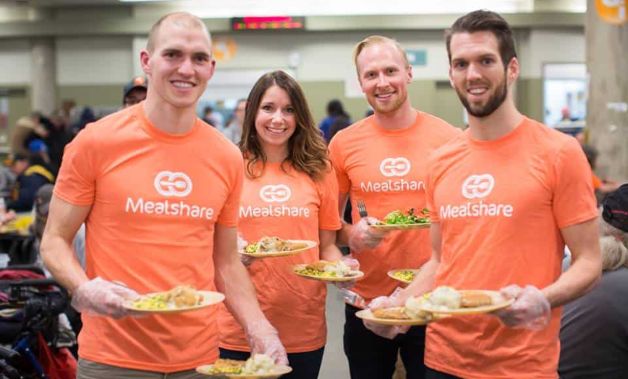
Mealshare was an innovative organization that partnered with restaurants across Canada to combat youth hunger. Founded in 2013, Mealshare developed a unique “Buy One, Give One” model that allowed diners to make a tangible difference in their communities simply by ordering a meal.
Participating restaurants featured Mealshare-branded items on their menus, and when a customer ordered one of these dishes, the restaurant contributed a portion of the proceeds to provide a meal to a youth in need. This simple yet effective approach allowed Mealshare to grow from a local grassroots initiative to a national program, engaging restaurants and diners in the fight against youth hunger. In June 2023, Mealshare closed its doors after a decade of operation.
Over the years, Mealshare partnered with numerous restaurants, including Terroni Adelaide, Shy’s Place, Milestones Cambie, Trattoria Caffe Italia, Pho Dau Bo, Vista 18, Wellington Gastropub, Una Pizza Saskatoon, Floyds Diner, Blarney Stone, Bridgette Bar, 4th Spot, and Street Monkeys, among others.
Key Stats and Impact
- Over 1,200 partner restaurants in more than 450 communities
- Provided over 3.8 million meals throughout its operation
- Supported local charities and international efforts through Save the Children
Although Mealshare no longer operates, its legacy continues. Brown Bagging for Calgary’s Kids (BB4CK) has taken up its model in Calgary through a successor program, Feeding Futures, which again partners with local restaurants: a designated menu item directs $1 or more from each purchase to lunches for kids in need.
Taking Action: How You Can Help
The fight against youth hunger requires a collective effort. Here are some ways you can get involved:
- Donate: Support the organizations mentioned above or find one in your local community. For example, the Breakfast Club of Canada accepts online donations, and Second Harvest offers various giving options, including monthly donations and legacy giving.
- Volunteer: Offer your time and skills to help with meal preparation, distribution, or fundraising. Organizations like Brown Bagging for Calgary’s Kids (BB4CK) rely on volunteers to prepare and deliver lunches to schools, while SHARE Family & Community Services welcomes volunteers in their food bank and Backpack Buddies program.
- Raise Awareness: Talk to your friends and family about youth hunger and encourage them to get involved. Share information about the organizations making a difference and the impact of their work on social media or through personal conversations.
- Advocate: Contact your local representatives and urge them to support policies that address food insecurity. This can include advocating for increased funding for school meal programs, supporting initiatives that address the root causes of poverty, and promoting food waste reduction efforts.
Remember, every action counts. Whether you donate, volunteer, raise awareness, or advocate for change, your efforts contribute to building a future where no child goes hungry.
Note: This article serves as an informational review of prominent organizations dedicated to combating youth hunger in Canada. We are not affiliated with any of the organizations listed. Figures reflect each organization’s most recent public reporting (2024–2025), drawn from their official websites and Charity Intelligence. Last reviewed June 2026.